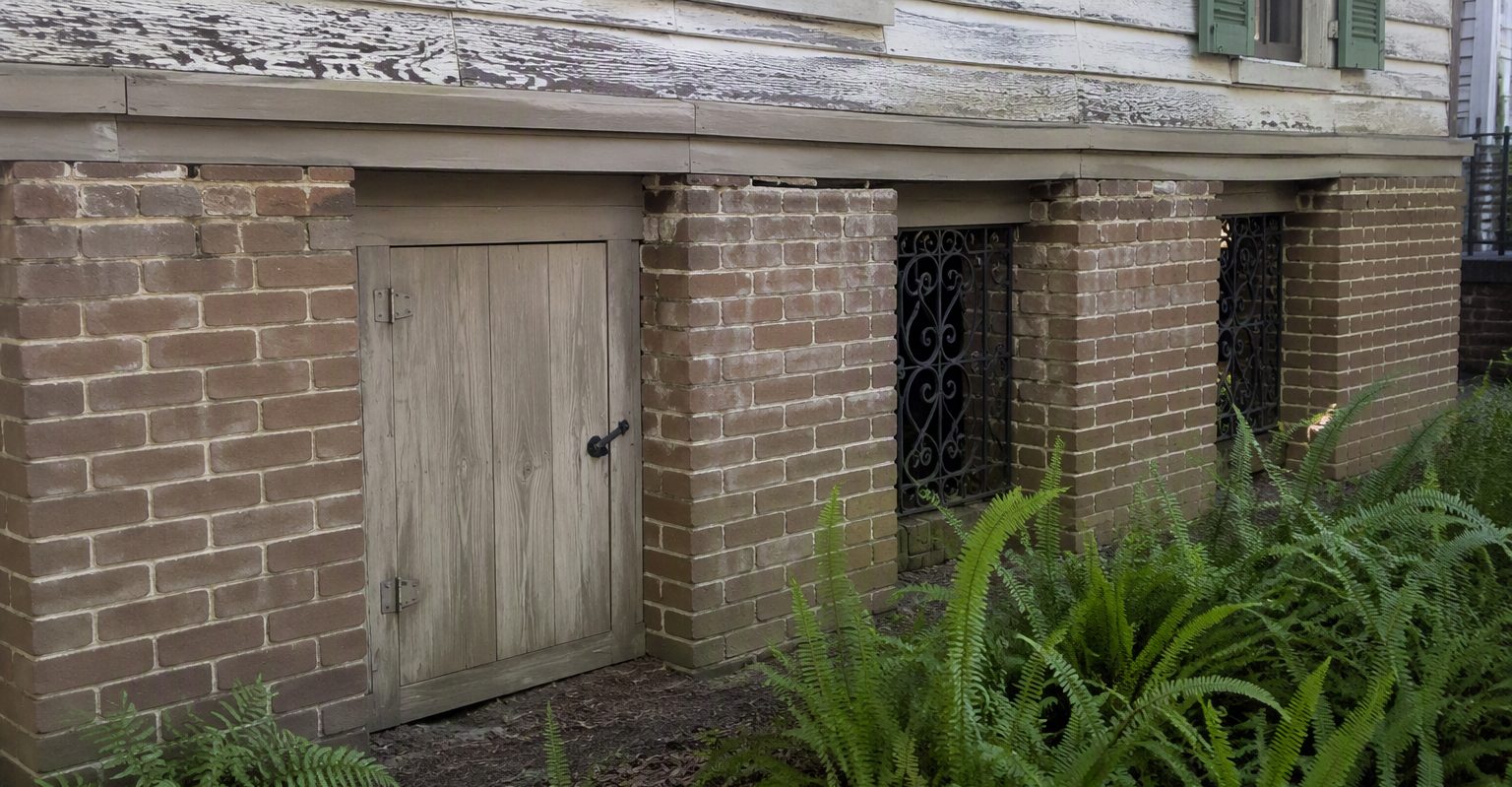
Half of Savannah’s houses stand on piers or stem walls with a crawlspace underneath — and nearly all of those crawlspaces are fighting the same losing battle. The house feels fine. The floors feel solid. And underneath, joists have been breathing humid air for years. Crawlspace moisture is the slowest, quietest, most expensive water problem in the Coastal Empire — because it bills you annually instead of all at once.
The physics, in one paragraph
Crawlspace vents were built on a theory from before air conditioning: open vents let breezes dry the space. Here’s what actually happens on the coast. Summer air at 90 degrees and 80% humidity flows through the vents and touches surfaces cooled by the shaded ground — and the water falls out of the air, onto your joists, every day, all season. The vents don’t dry the crawlspace. They feed it.
What it costs, in order of appearance
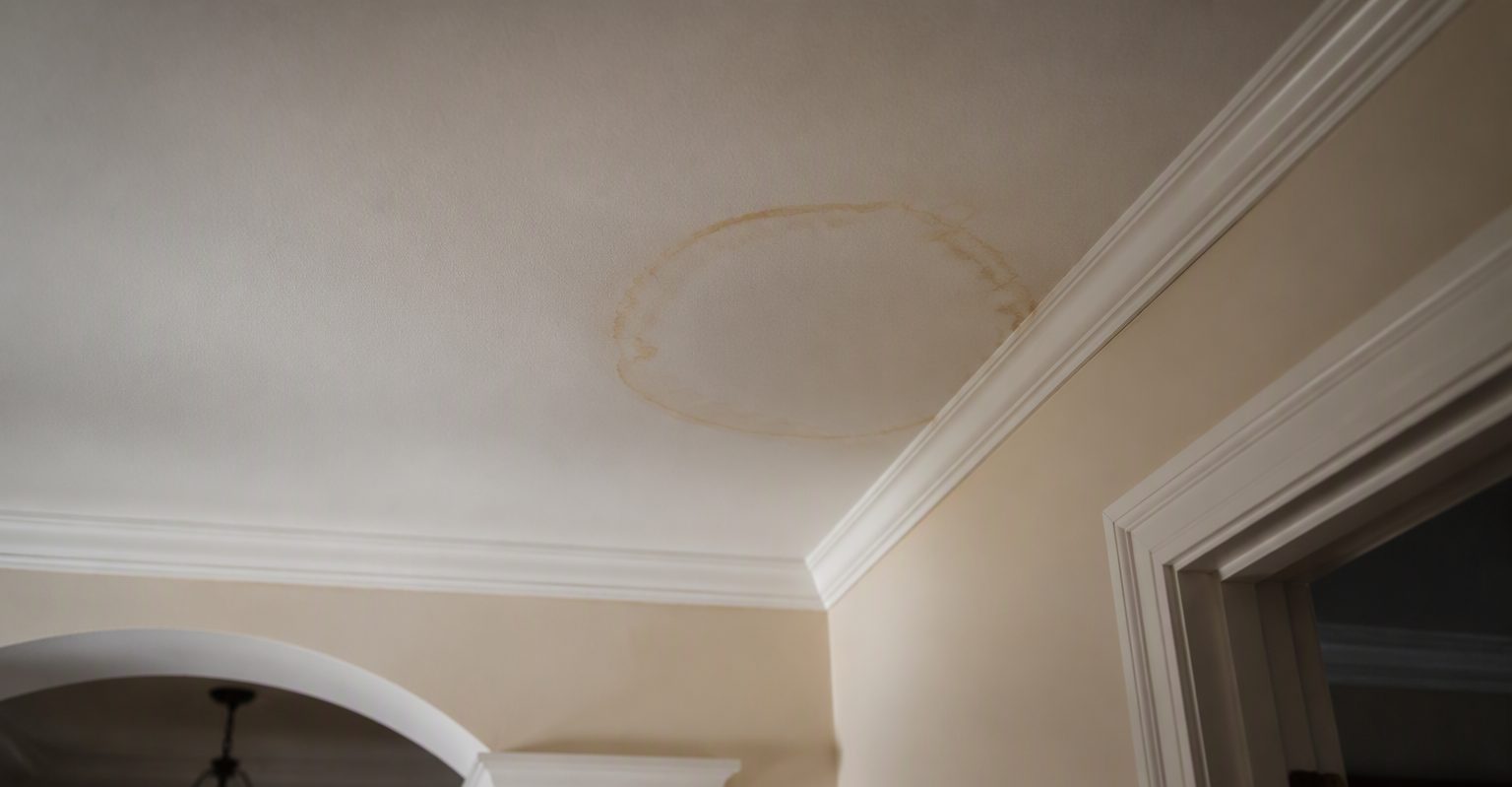
First, the floor system: subfloor and joists absorb moisture, swell, and slowly lose strength — the spongy spot by the bathroom that wasn’t there last year. Then the floors above: hardwood cups as moisture pushes up from below, and no amount of refinishing fixes a floor that’s still being fed. Then the air: a large share of the air on your first floor rises from the crawlspace, which is why a wet crawlspace smells like a wet crawlspace in the living room. And finally the invitation: damp wood at ground level, in the dark, is exactly what wood-destroying organisms are looking for.
The wet test you can do today
Open the crawlspace door on a July afternoon and look. Condensation on ductwork or plumbing lines. Darkened or stained joists. A vapor barrier that’s bunched, torn, or missing — or bare ground that looks like it rained under your house. Insulation hanging down in festoons (it falls when it gets wet-heavy). Any one of these means the space is wetter than the house above it can afford.
When it’s a water problem, not a moisture problem
Standing water in the crawlspace after rain is a different animal — that’s intrusion, and it means grading, drainage, or plumbing is delivering water under the house. That version doesn’t wait for a long-term fix: it gets extracted and dried now, because standing water under a house in coastal heat is a countdown. We handle both — the emergency extraction when it’s standing, and the honest assessment of what’s feeding it when it’s chronic.
The fix, honestly
The modern answer is encapsulation: a sealed, heavy vapor barrier across the ground and up the walls, vents sealed, and a dehumidifier keeping the space at a set humidity. It converts the crawlspace from outdoor air to conditioned-adjacent space, and it ends the daily condensation cycle. It’s not a small job and anyone selling it as one is lying — but it’s the difference between managing moisture forever and actually ending it. If your floors are cupping or the smell has started, the assessment tells you whether you need extraction and drying, encapsulation, or both — and the written scope tells you what each costs before anyone crawls under there with a stapler.