Emergency extraction, structural drying, and full restoration across Savannah and the Coastal Empire. A person answers at 2 a.m., a crew rolls with the equipment to finish — and every step is documented for your insurance claim.
Water wicks into drywall, subfloor, and insulation by the hour. Do these three things and the loss stays a drying job — not a rebuild.
The main shutoff is usually where the line enters the house — garage wall, crawlspace, or the street box. Can’t find it? Call and we’ll walk you to it while the crew rolls.
One call starts two things at once: dispatch, and your documentation. Photos and moisture readings from the first minute are what make the claim go smoothly later.
Standing water out, the structure dried to verified moisture levels, damaged material repaired. One crew owns the file from the first gallon to the final walkthrough.
One number reaches the crew that handles the whole loss — extraction through rebuild — with the paperwork your adjuster actually wants.
The full arc — extraction, drying, and repair — for burst pipes, appliance failures, and roof leaks. One crew from the first gallon to the last coat of paint.
Learn moreStanding water out fast — truck-mounted and portable extraction that pulls gallons per minute, because every hour standing water sits, it climbs deeper into the structure.
Learn moreGroundwater and storm intrusion cleaned, sanitized, and dried — the living room that took on six inches of August thunderstorm, handled start to finish.
Learn moreAir movers, dehumidifiers, and moisture meters — the science that dries framing, subfloor, and drywall to verified standard, not to “feels dry.”
Learn moreSupply lines, water heaters, washing machine hoses — the sudden indoor flood shut down, extracted, and dried before it wicks into every wall it touched.
Learn moreCategory-3 water is a contamination event, not a mop job. Contained, removed, sanitized, and documented — with the affected material handled the right way.
Learn moreHurricane season is the Coastal Empire’s other calendar. Wind-driven rain, surge, and tree-strike roof openings — secured, extracted, and rebuilt.
Learn moreSkip the reading. Tell us where the water is and how much — you’ll hear what happens next and when a crew reaches your door.
Call (912) 277-4488Moisture maps, dated photos, equipment logs, written scope — the claim file assembled as we work, not reconstructed weeks later from memory.
Psychrometry, grain depression, verified dry standards. Equipment stays until the meter says the structure is dry — “feels dry” is how mold starts.
Raised pier foundations, humid crawlspaces, stilted island cottages, plaster over lath downtown. The drying plan fits the construction, not the other way around.
Extraction, drying, and repair run under a single scope and a single point of contact. No hand-offs, no “that’s the other company’s job.”
The window before a water loss starts growing something worse. Speed isn’t a selling point here — it’s the whole job.
Days a typical residential structure takes to dry to verified standard. Anyone promising faster is guessing at your moisture levels.
Communities covered from one Savannah dispatch point — the river towns to the islands, the corridor to Effingham.
A person answers — overnight, weekends, holidays. Water losses don’t schedule themselves, so neither do we.
Savannah plus ten Coastal Empire communities — one dispatch point, and crews who already know your flood zone, your foundation type, and what a king tide does to a ground floor.
What four feet of rain a year and a few thousand wet crawlspaces keep teaching us.
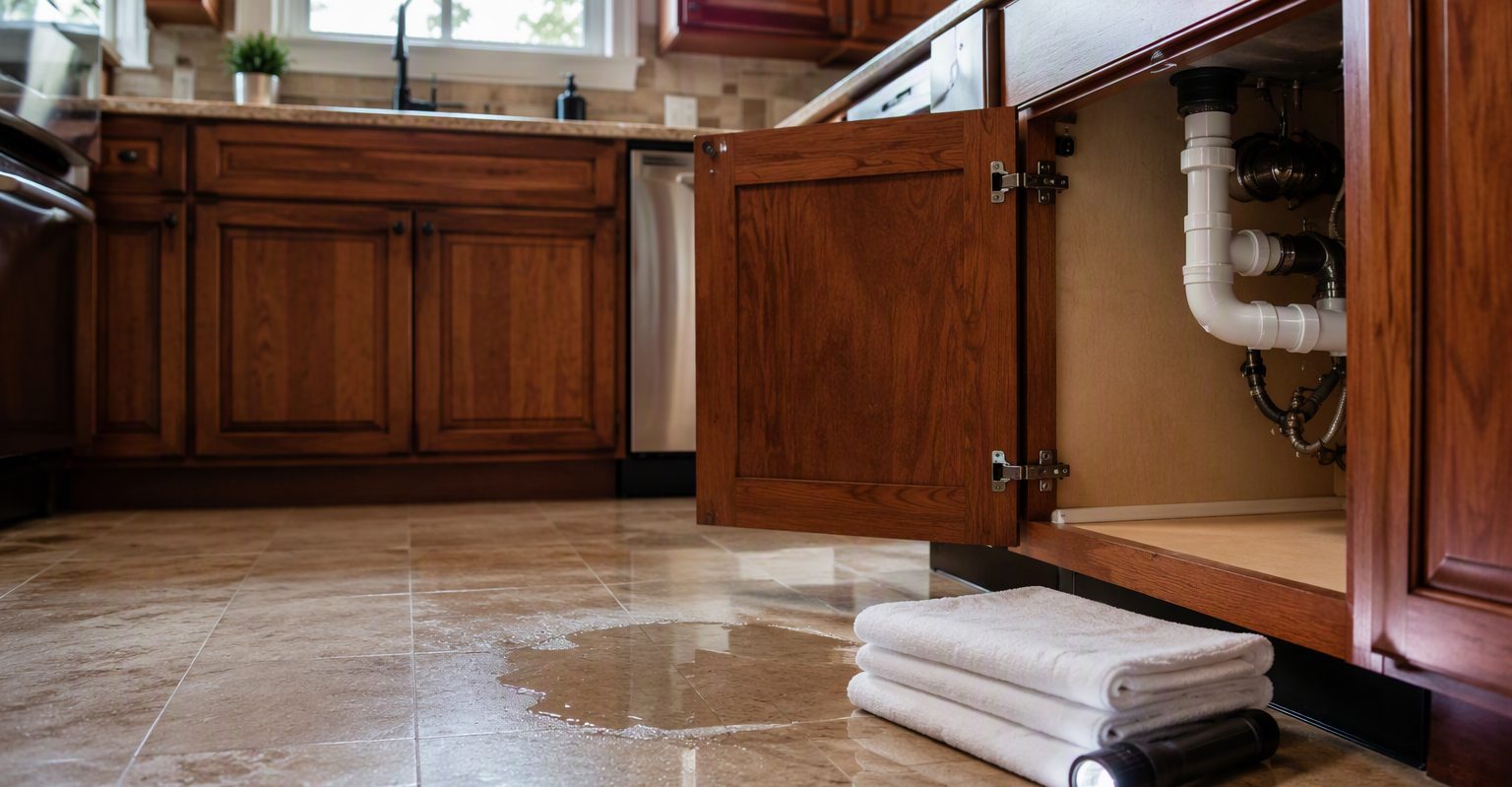
Shut it off, call it in, document everything. The order matters more than the speed.
Read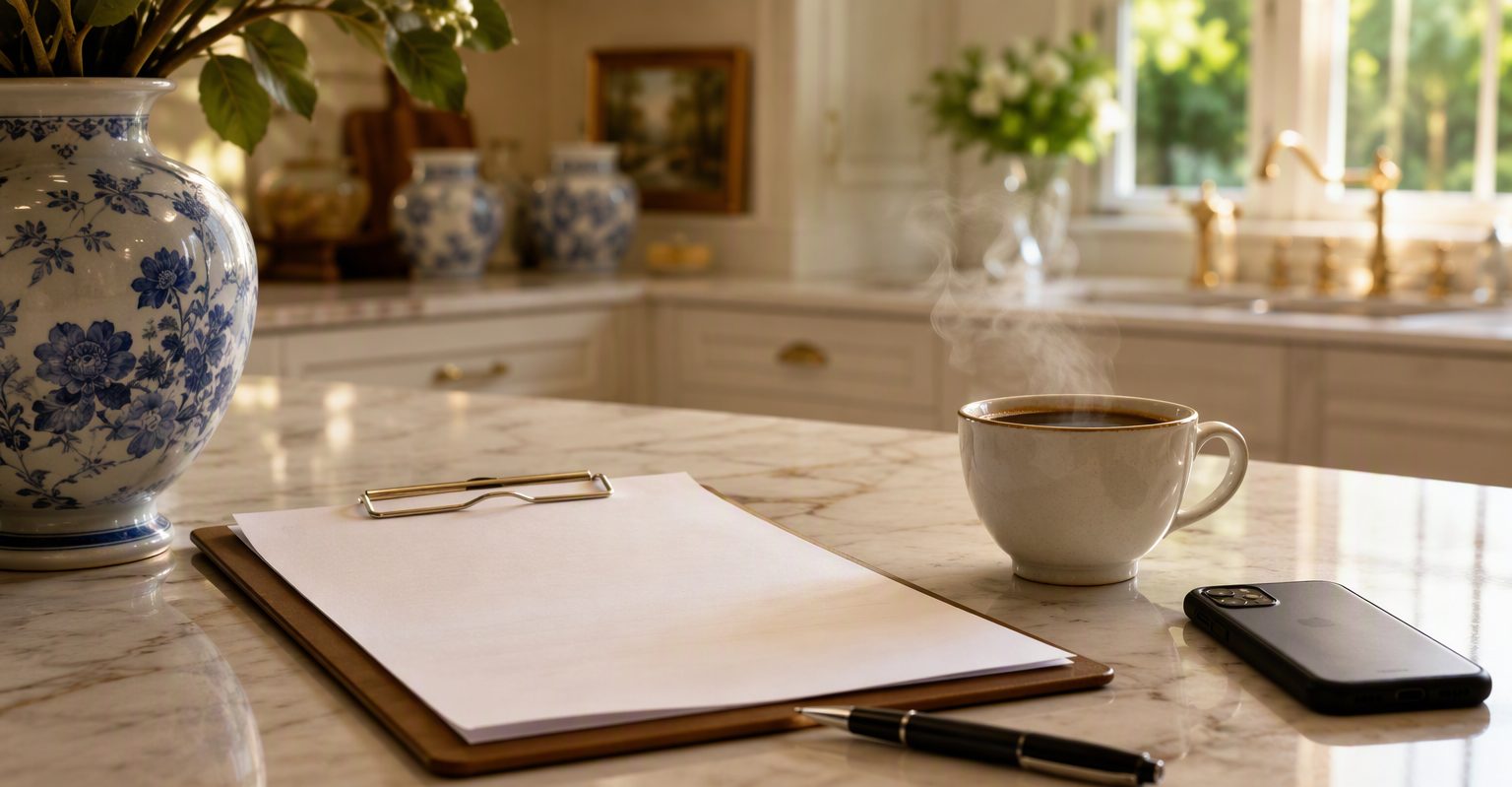
What your adjuster needs, when they need it, and the mistakes that turn a claim into a fight.
Read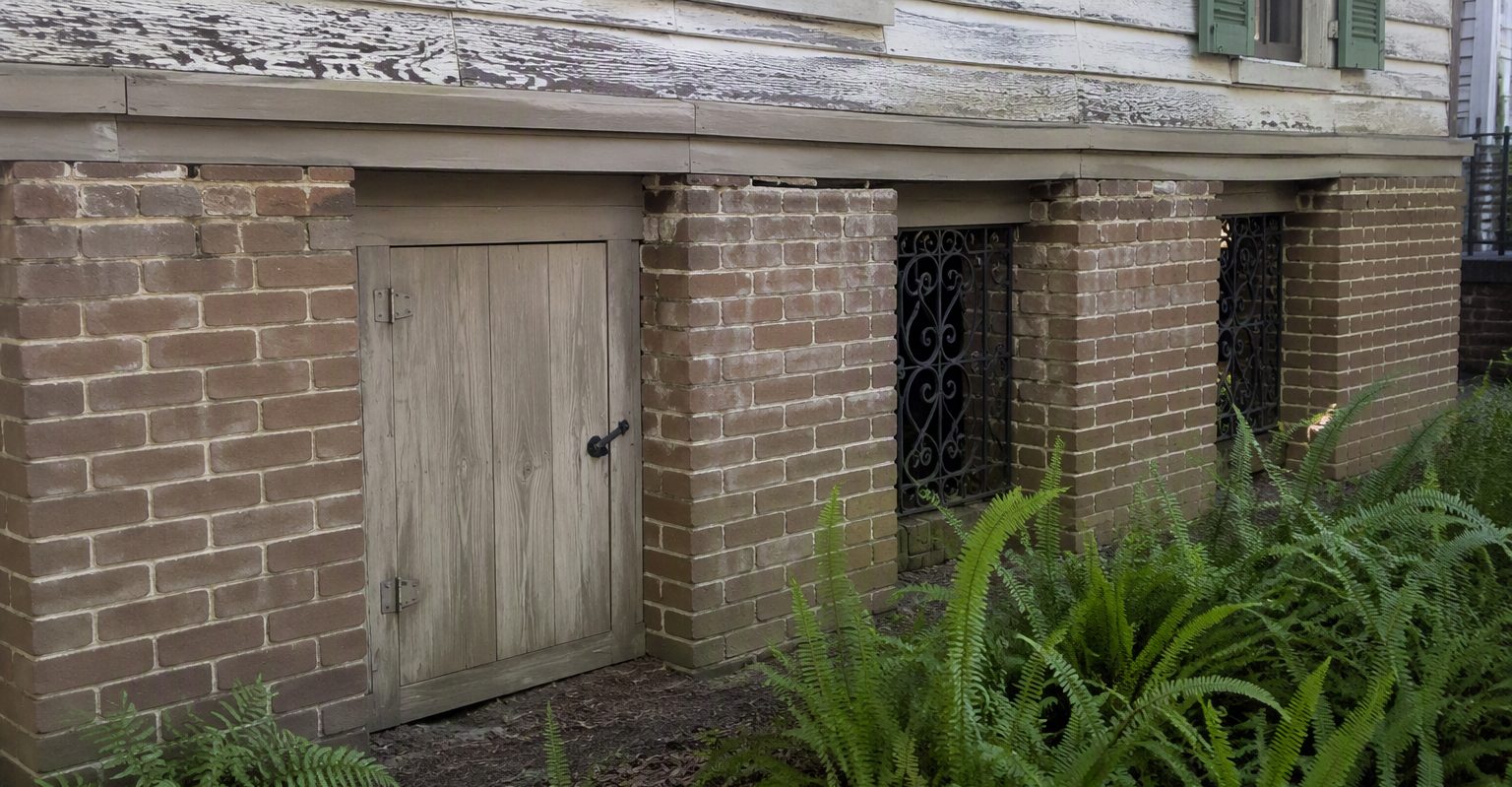
Humid air, cool ground, and a venting strategy from 1960. The quiet damage under your feet.
Read24/7 dispatch across Savannah and the surrounding towns — documented from minute one, dried to verified standard.