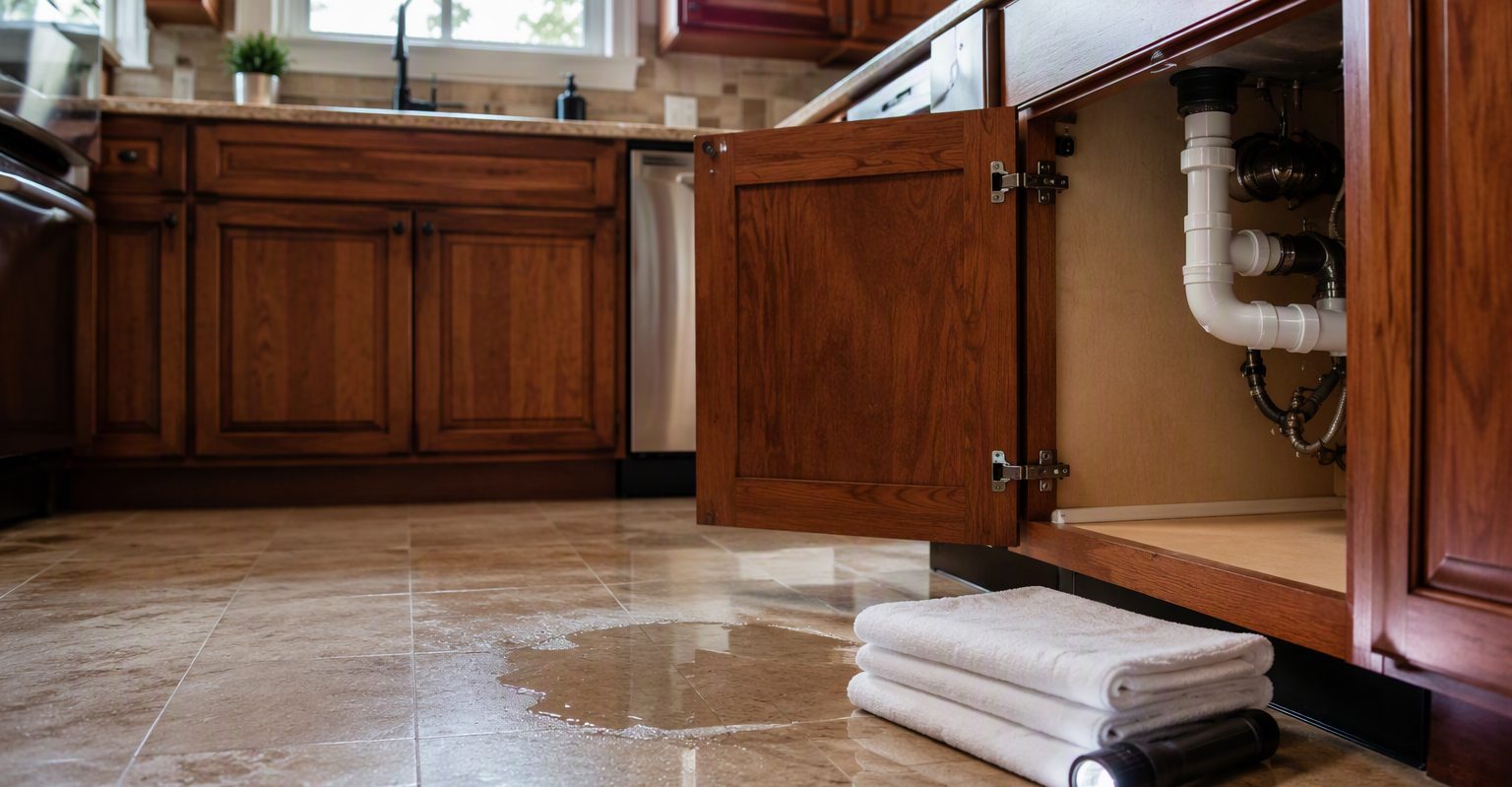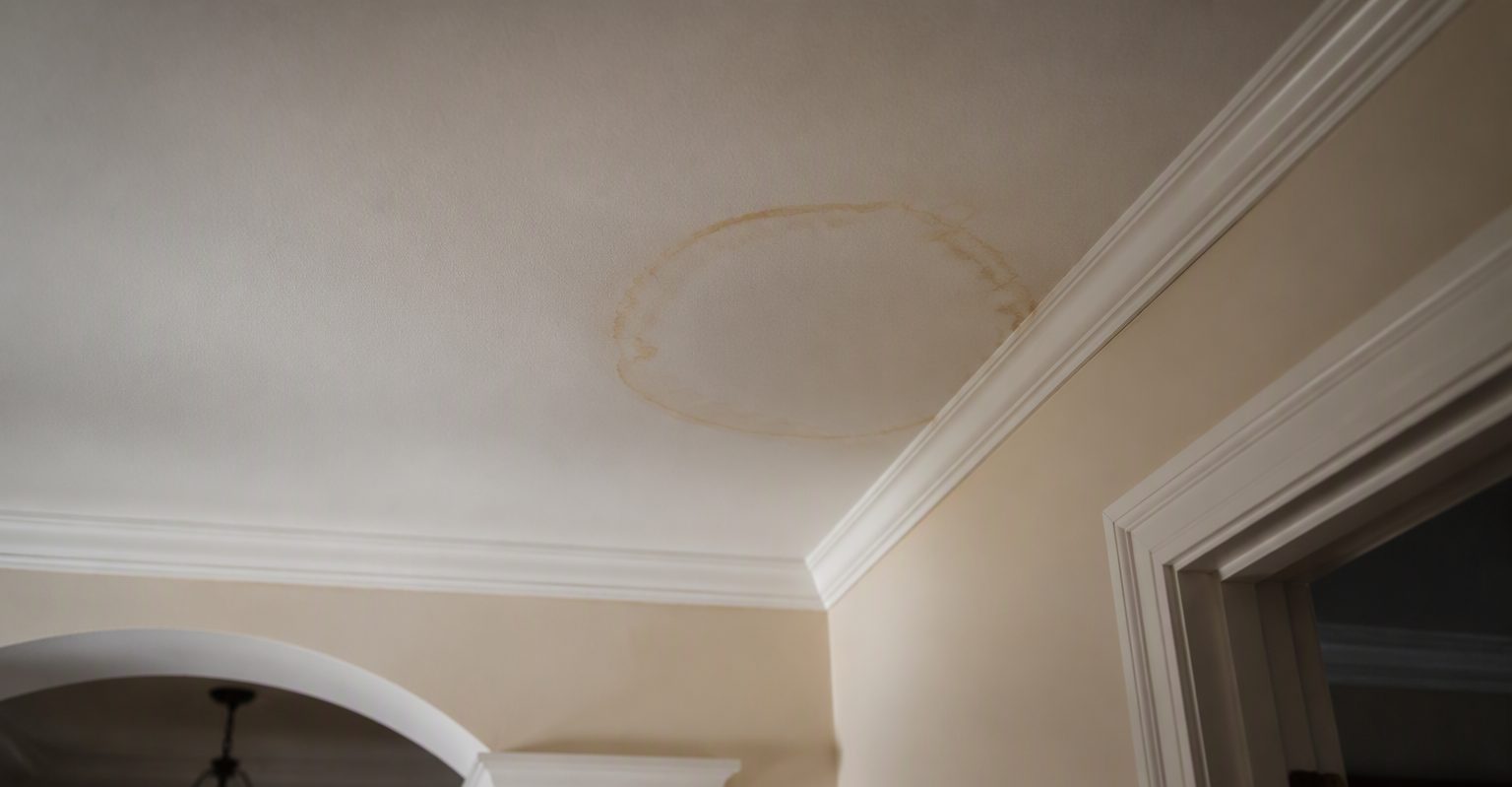
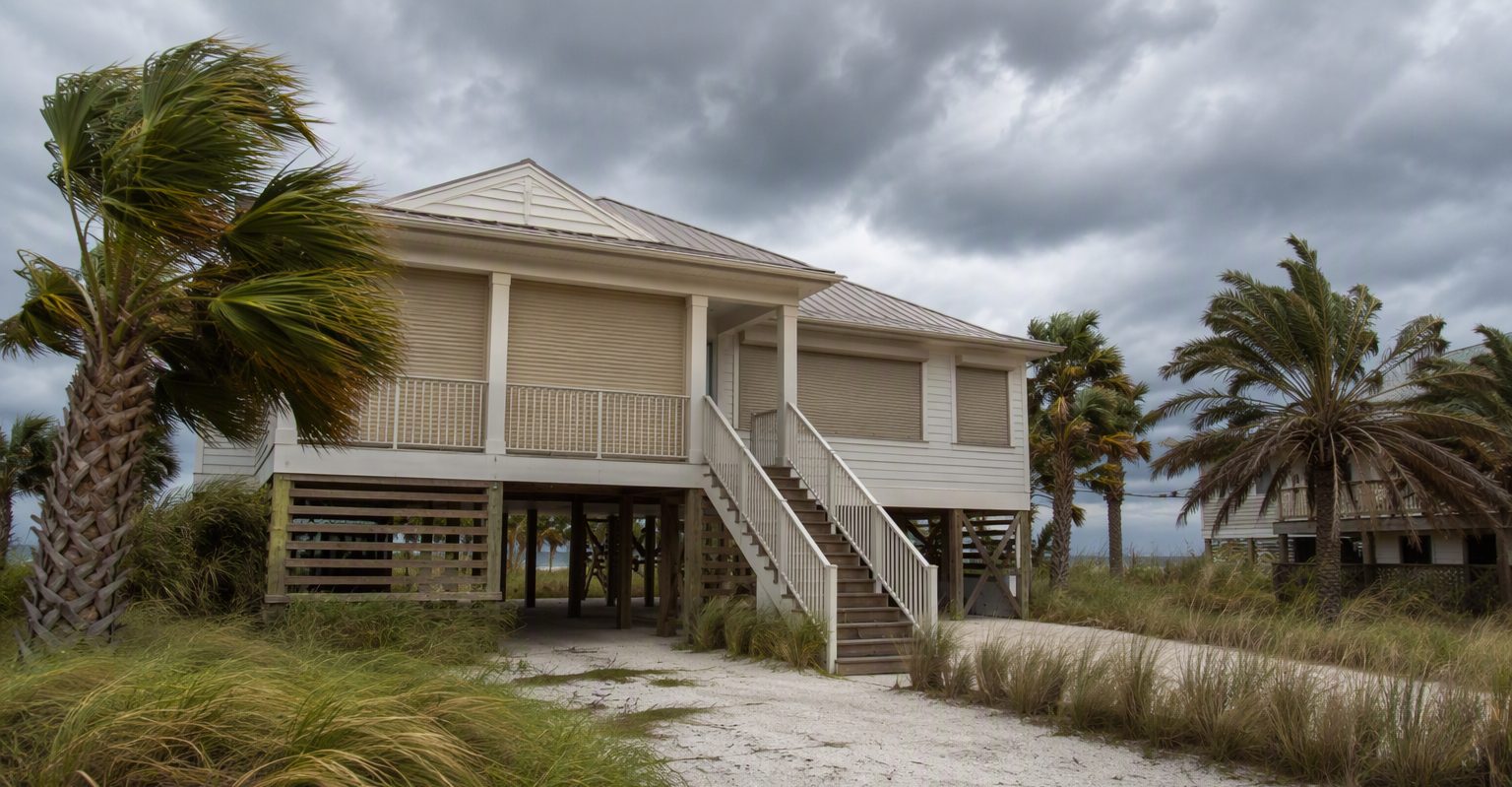
Every Coastal Empire homeowner knows the rhythm: the cone appears, the spaghetti models argue, and somewhere between the third update and the grocery run you decide whether this one’s real. Most seasons, Savannah watches the storm turn. But near misses still drive rain sideways, push surge into the rivers, and drop limbs on rooflines — and the houses that come through dry are almost always the ones that prepped in May, not the ones that scrambled in the cone.
The envelope: where storm water gets in
Walk the house before June and look at it like rain looking for a way in. Window and door caulking that’s cracked or pulled — coastal sun cooks it faster than you think. Weatherstripping that doesn’t touch anymore. Roof penetrations — vents, boots, satellite mounts — with lifted flashing. The fascia and soffit seams where wind-driven rain pushes uphill. Any of these is fine on a calm day and a water entry point at 60 miles an hour.
The ground: make gravity your employee
Clean the gutters and extend the downspouts — water dumped at the foundation in a six-inch rain is tomorrow’s slab seepage and crawlspace puddle. Check the grade: soil should fall away from the house, and landscape beds edged above grade are dams that hold water against the wall. If your street floods, know your threshold height relative to the curb — that number tells you whether a bad afternoon becomes a bad claim.
The openings: shutters, and what they actually protect
Shutters aren’t just about flying debris — a broken window in a hurricane is a water main aimed at your interior, and wind-driven rain finds even intact windows that aren’t sealed well. If you don’t have shutters, pre-cut plywood panels labeled per window beat the hardware-store line at landfall-minus-two-days. Garage doors are the weakest span on most homes — a bracing kit is an afternoon project that protects the biggest opening you own.
The paperwork: the prep nobody does
Photograph your house now, dry and intact — every room, every exterior elevation, plus the roof if you can manage it safely. Store them somewhere off your phone (cloud, email to yourself). After a storm, “here’s what it looked like before” is the single most powerful claim document that exists, and it only exists if you make it in May. While you’re at it: locate your flood policy declarations page, because rising water and wind-driven rain are different claims, and knowing which one you’re filing saves a week.
The return
If you evacuate and come home to water: photograph everything before touching anything, don’t run the household air system, and treat any water that came up from the ground as contaminated. Then call — post-storm slots fill in the order the calls come in, and the first forty-eight hours decide whether your house dries or grows something worse. The storm gets the headline. The water does the damage. Prep for the water.